


In the previous era of digital infrastructure, a data center was thought of primarily as a real estate asset. But as we move through 2026, the increased need for high-density computing has changed that point of view. Today, a hyperscale facility is less like a traditional building and more like a high-voltage utility node. For Datacenter operations, the true “front door” of the facility is no longer the lobby; it’s the on-site substation.
This shift is underscored by a Stanford Woods Institute perspective, which notes that for the digital economy, the high costs of a blackout mean that localized infrastructure—like a hardened on-site substation—is now more critical than the facility’s traditional architectural features.
Datacenter Operations: Engineering the “Last Mile”
To meet AI power demands, developers are moving beyond simple utility taps toward high-density power hubs. Managing this capacity while maintaining a smaller footprint requires specialized equipment at the property edge:
- Gas-Insulated Switchgear (GIS): A true game-changer for urban sites, GIS utilizes sulfur hexafluoride (SF6) or eco-friendly alternative gases to enable high-voltage operations. GIS utilizes a fraction of the space required by air-insulated configurations.
- Metal-Clad Switchgear: Serving as the facility’s primary defense, this equipment uses compartmentalized barriers to isolate faults.
- Fault Isolation: In high-density AI environments where a single rack can pull 100kW, isolation is critical to ensure a surge doesn’t result in a site blackout.
Designing for “Five-Nines” Reliability
Datacenter operations is achieving the industry-standard “five-nines” (99.999%) uptime requires a sophisticated strategy for on-site substations, combining step-down processes with redundant feeds.
Power typically flows through a two-stage process:
- Primary Substations: Located at the property edge, these receive high-voltage transmission (e.g., 115kV or 230kV) and step it down to medium voltage.
- Secondary Substations: Situated closer to the server halls, these transform the energy into the usable voltage for the racks.
To ensure this flow never stops, data center operations rely on Redundant Feeds (A+B). By pulling power from two geographically distinct utility substations, the facility remains operational even if one segment of the regional grid fails.
This high-availability design aligns with the broader industry movement toward rethinking reliability standards, ensuring that grid-integrated facilities can withstand evolving demands.
Data Center Operations: The Human Element
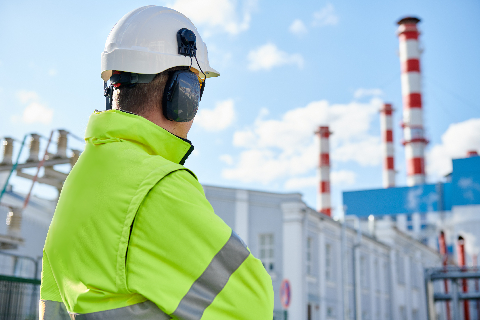
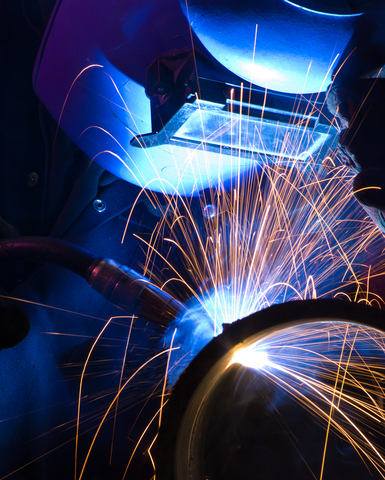
While the design and hardware are impressive, the primary bottleneck in 2026 isn’t just equipment procurement. Many data centers struggle to maintain the specialized workforce required to energize it. Building and commissioning an on-site substation requires a tiered team of high-voltage linemen, P&C (Protection and Control) technicians, and NETA-certified commissioning engineers.
At APS Solutions, we recognize that the “last mile” of power is a human capital challenge. As the aging workforce retires, the “tribal knowledge” required to manage utility interconnects is becoming scarce. We specialize in sourcing the certified technical talent needed to ensure your substation—and your digital “front door”—remains open and resilient.